


Electric cars: past, present, and future in one article
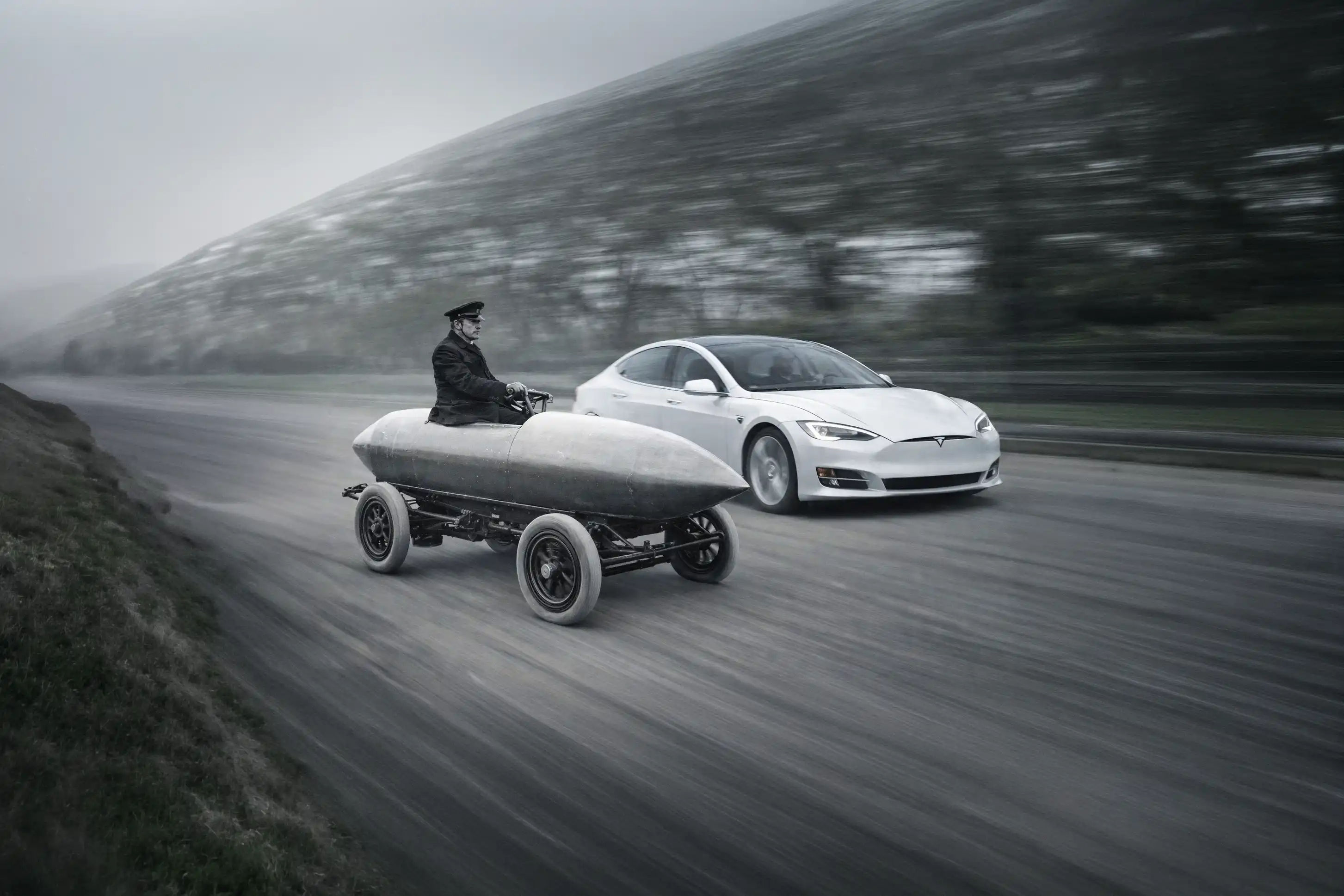
Did you know that the first vehicle to break the 100 km/h speed limit was not a petrol race car, but an electric car? In 1899, the Belgian Camille Jenatzy sped at 105.88 km/h to the world's astonishment – with electric propulsion. Yet, scarcely half a century later, the electric car had almost vanished from the roads without a trace. Question: how did it become the vehicle of the future once again?
If you regularly read Voltie's blog, you have surely come across charging tips, posts about energy measurement, or model-specific advice. This time, the electric car as a phenomenon is on the table: how it is transforming transport, what benefits it offers, and where the future is headed.
The electric car is by no means a recent invention. In the 1880s and 1890s—when internal combustion engine vehicles were only at the beginning of their development—electric drive was one of the most popular solutions. However, battery technology at the time did not keep pace with market demands, and with the fall in oil prices, petrol cars took the lead.
The 21st century, however, has once again brought the era of the electric vehicle. Advances in battery technology, tightening emission reduction targets, and the spread of renewable energy sources have combined to make electric cars competitive. Today, the global market for electric cars is expanding dynamically year on year: according to data from the International Energy Agency (IEA), in 2023, one in ten cars sold worldwide was electric.
The European Union is planning to ban the sale of new internal combustion engine passenger cars by 2035. This guideline not only affects manufacturers but also speeds up the development of infrastructure: under the AFIR (Alternative Fuels Infrastructure Regulation) regulation, a charging network of adequate density must be built in the EU by 2030.
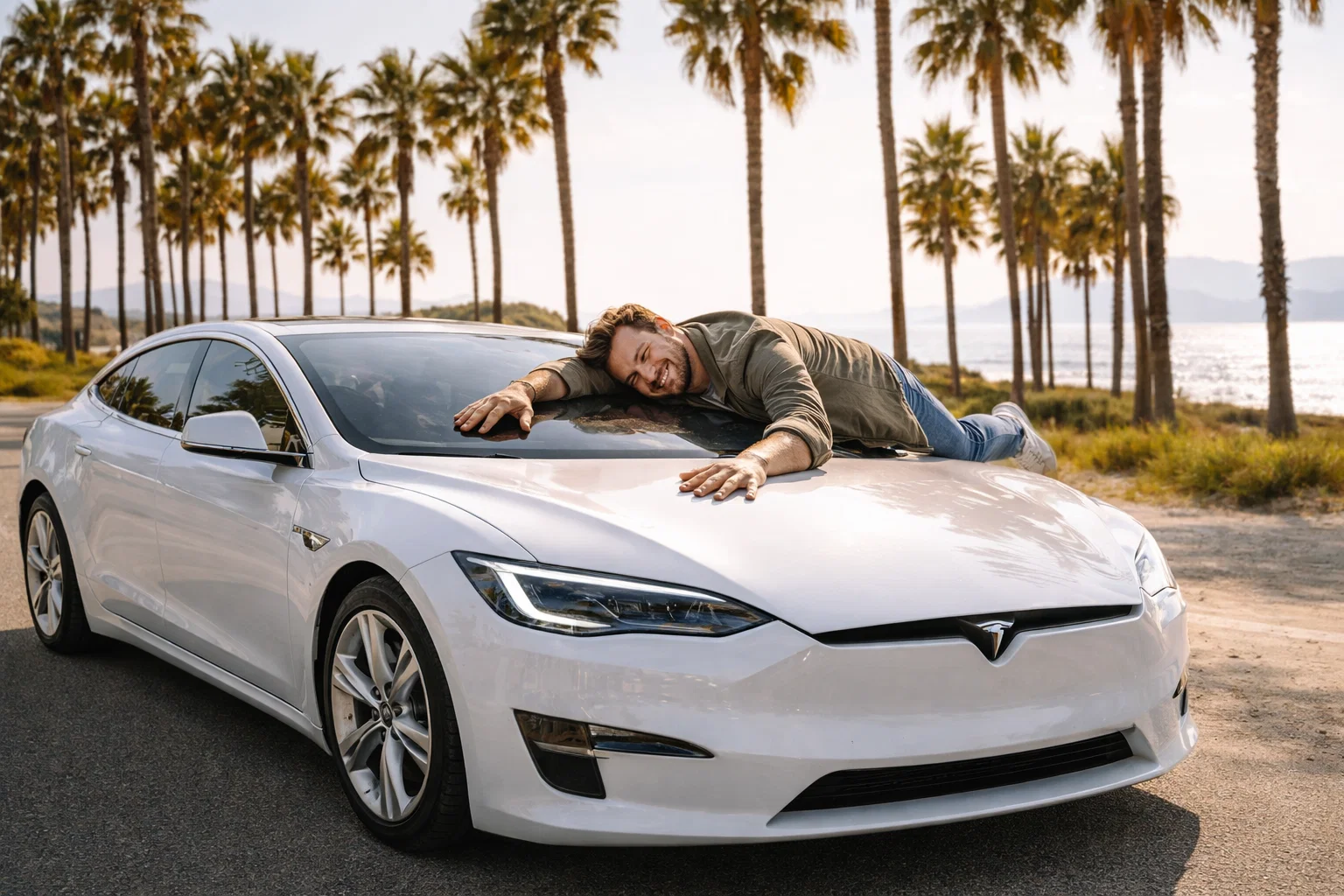
Electric driving first wins you over perhaps with the experience of silent driving. Anyone who tries it once will find it hard to go back to a noisy engine sound. Operating costs are typically lower than those of conventional vehicles: the price of electricity per kWh is more favorable than fuel, and the maintenance requirement of an electric motor is much lower. In addition to all this, on a local level there is zero emissions – if charging is done from renewable energy, the whole process becomes truly sustainable.
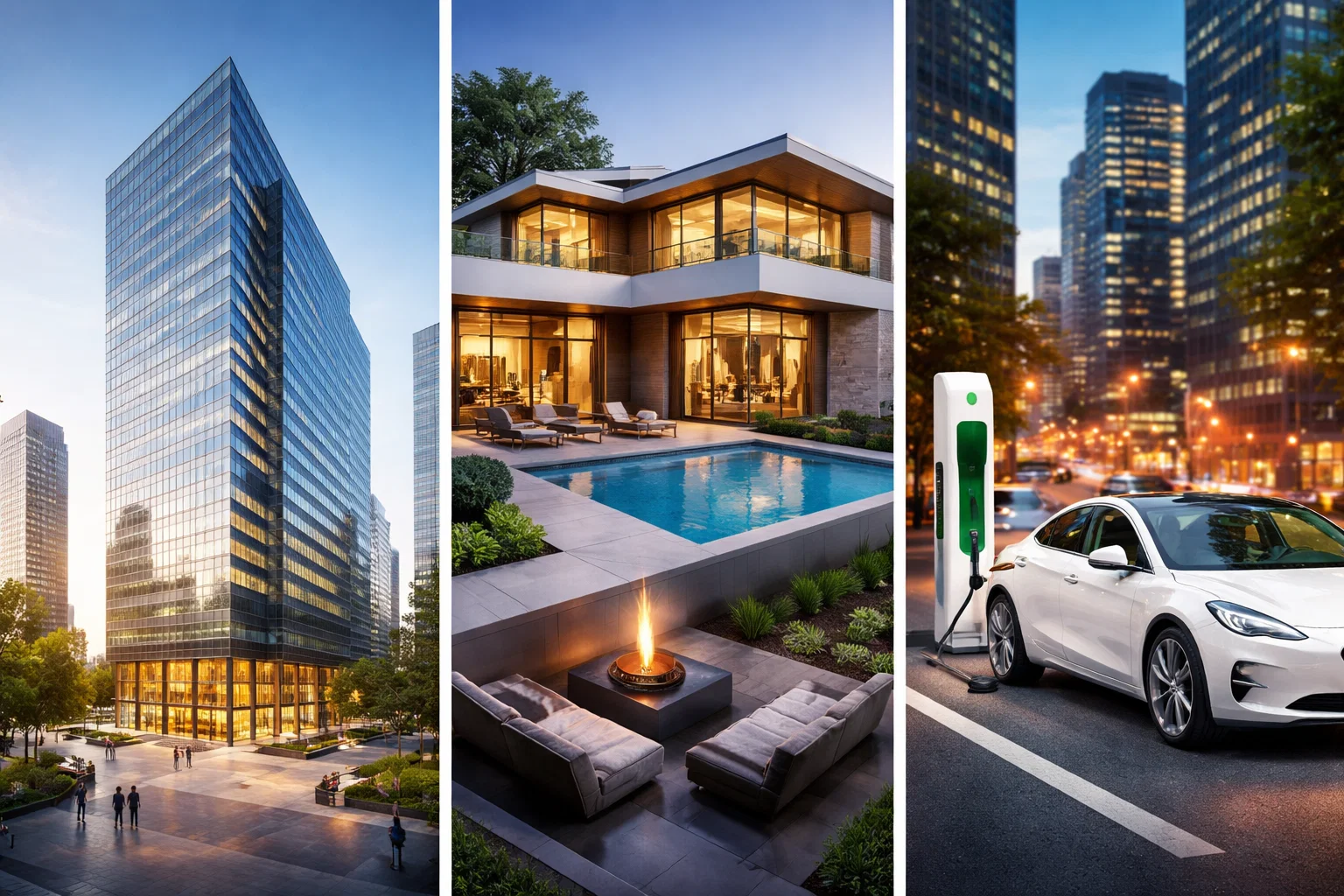
Charging infrastructure is one of the key elements in the widespread adoption of electric vehicles. Today, public charging stations are not only available on highways, but also in shopping centers, parking lots, and city centers. If you don't know where the nearest charging point is, solutions that show the public chargers available near you in a map view, such as the PlugShare application, can help.
Home charging is becoming an increasingly common solution: with your own wallbox charger, overnight charging can become a routine, and you can start the day with a fully charged battery in the morning. Voltie's home charging solutions are designed to make charging as convenient and efficient as possible for the user.
👉 Take a look around:
The Electric Car and the Future
Today, the electric car clearly represents the path that modern transport is taking. Stricter environmental regulations, technological advancements, and changing consumer expectations have together brought about this shift. The expansion of the charging point network, smart applications, and continuous development by manufacturers all show that this area has long outgrown the experimental phase.
If you are interested in electric cars and would like to read about charging solutions, visit the Voltie website – and discover how it makes the everyday life of an electric car simpler!