

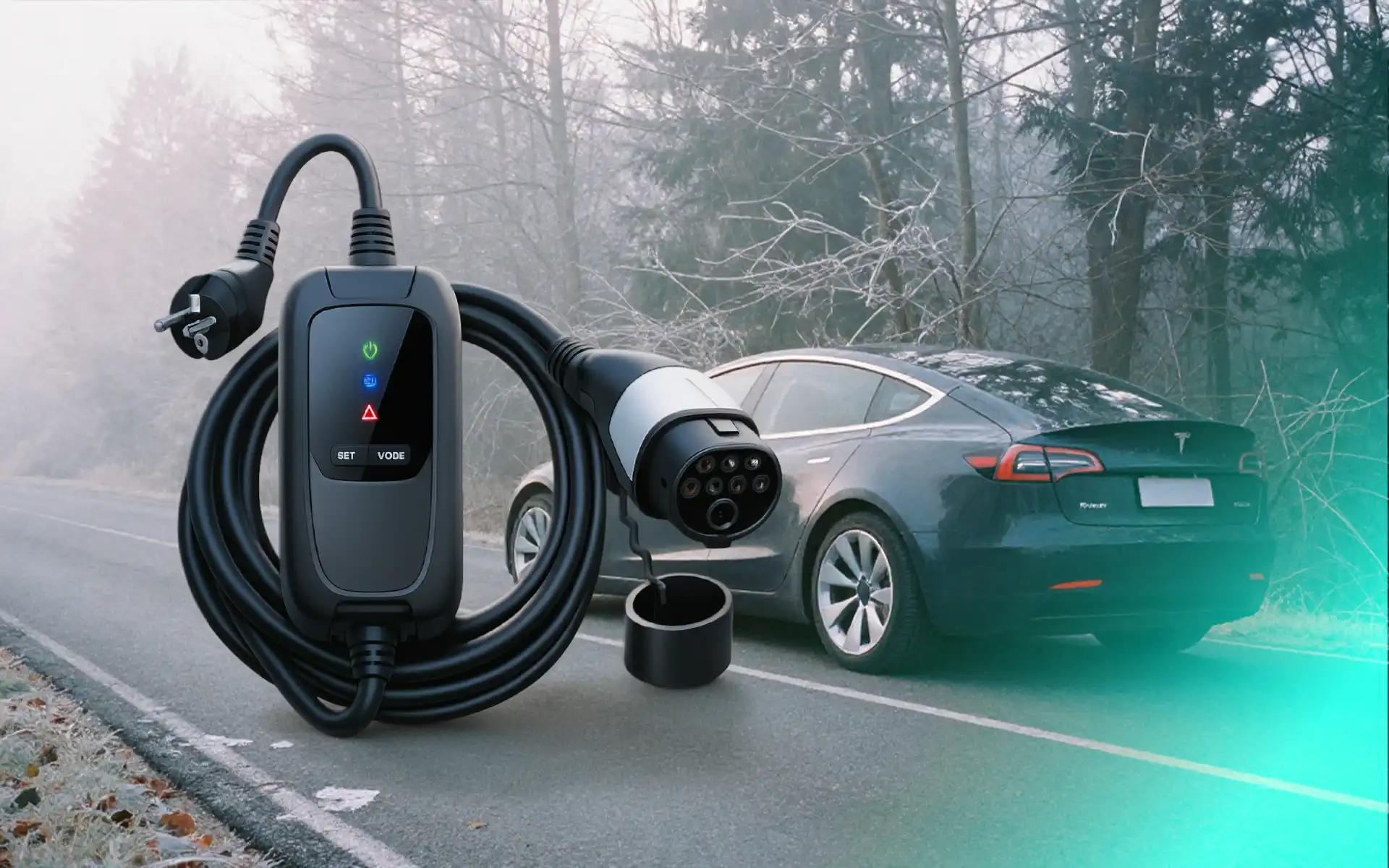
Portable electric car charger - a safety backup or a permanent solution?
If you drive an electric car, sooner or later the question arises: how do you charge your car on the go when there is no wallbox charger at hand? This is where a portable EV charger comes to the rescue. Many keep it as a "Plan B," while others use it on a daily basis. But what is it actually good for? In which situations can it come in handy, and how does it differ from a home wallbox charger? In this article, we have gathered the most important things to know.
What can a portable electric car charger do?
These chargers are usually lower-powered and can be connected to a standard outlet. In exchange for slower charging, you get more mobility. It can be a lifesaver at a weekend house, during a family visit, or while on vacation if there is no built-in charger nearby. Some types automatically detect the demands of the connected vehicle, and the current strength can also be adjusted manually.
However, it is good to know that the portable charger is not a magic weapon. You should expect longer charging times, especially if you are only using a standard 230V outlet. It may also happen that the household network cannot handle the load – especially if other large consumers are also operating at the same time.
It is important to be aware of the limitations:
Longer charging times – it can take up to 12-20 hours from a 230V socket.
Grid load – the household network cannot always cope, especially alongside other heavy consumers.
No app connectivity – monitoring consumption is difficult.
On the go, you can find nearby public chargers using the PlugShare charger finder.
Home Charging: This is also good if there is a solution
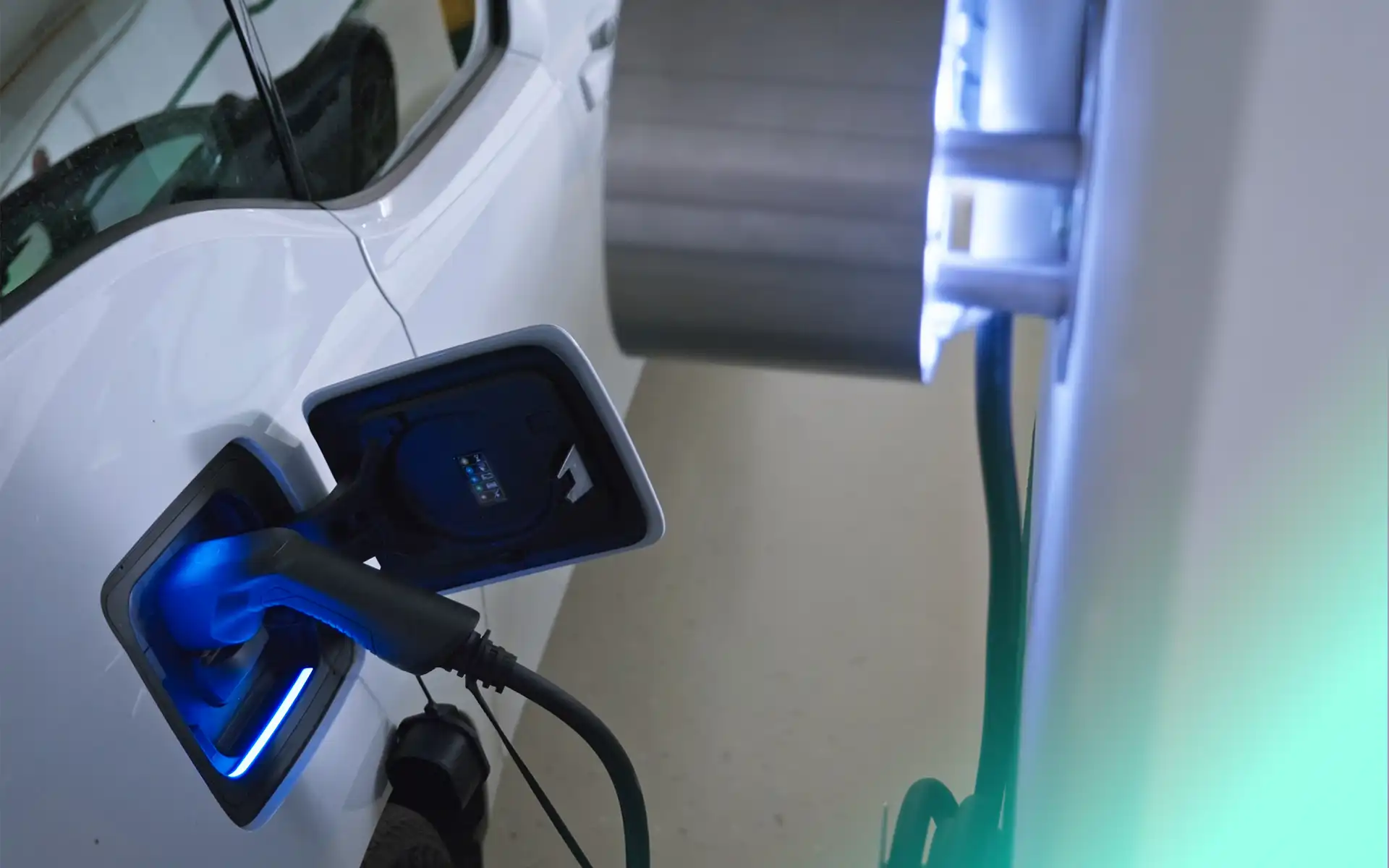
While the portable electric car charger can be useful in the situations mentioned above, you can use it as a temporary solution, but over time, it is worth investing in a more optimizable and convenient system.
The home wall charger is significantly faster and more reliable. For example, chargers developed by Voltie can also operate on 3 phases, thus capable of delivering much greater power. Thanks to the fixed installation, you don't have to unpack the charging cable every evening; just connect the car, and by morning, your vehicle will be ready to go.
One of the most compelling arguments for a wall charger is the stability and predictability of charging. While the charging time with a mobile charger may vary depending on the local network conditions, a home system operates with constant performance. The other difficulty is that a portable charger generally lacks an application connection, so you cannot track your consumption.
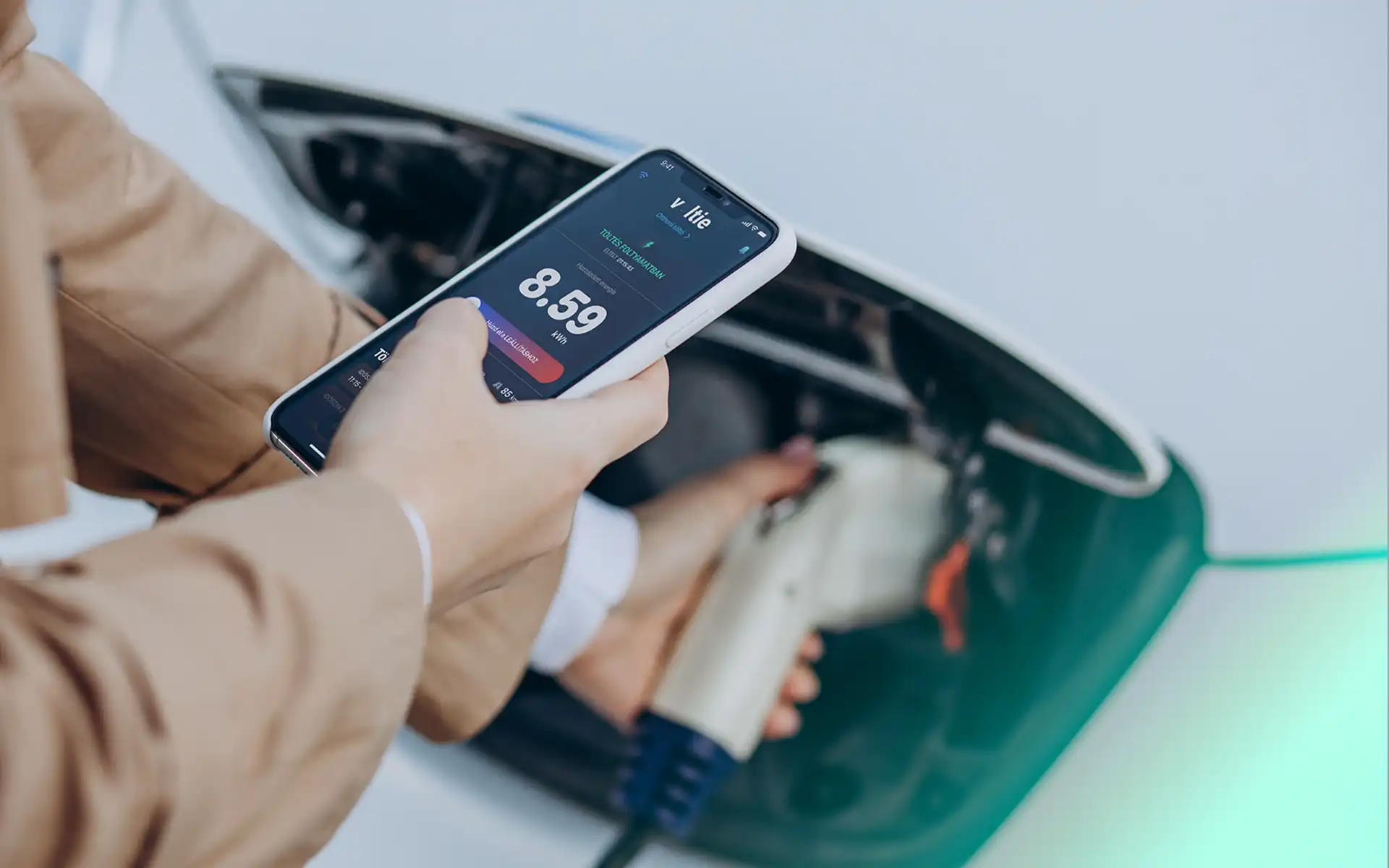
Voltie's system can be connected with a mobile application, through which you can track:
charging time and energy consumption,
monthly costs and the frequency of charging,
access of other users (family members, guests) with separate permissions.
👉 Take a look around:
Summary – which one to choose?
A portable electric car charger is an excellent accessory: ideal for travel, accommodation, and unexpected situations. For daily use, however, a home wall charger is much more convenient and efficient. On the Voltie website, you will find all the information you need to choose the best solution for you.
Transparency and control in one place
If you've already invested in an electric car, it's worth choosing a charging system that goes beyond mere “refueling.” The Voltie wall chargers, for example, can be connected to a mobile app through which you can track charging time, energy consumption, costs, and the frequency of charges. This way, you can see how your electricity consumption changes month by month, and you can also see at what times it is best to start charging.
The system also allows you to invite other users – such as family members or guests – with varying permissions. All data can be separated, reviewed, and downloaded if you need it.
This does not mean, of course, that the portable electric car charger is useless. It is rather advisable to think of it as a travel charging cable: it's good to have it on hand. You can also take it out on longer trips, at accommodations, or with relatives if necessary. However, if you charge your car regularly, it’s worth choosing a more stable, fixed installation.
On Voltie's website, you can learn about your home charging options; you can enrich yourself with useful and up-to-date information to help you make decisions and choose what best serves your needs.
Transparency and control in one place
If you've already invested in an electric car, it's worth choosing a charging system that goes beyond mere “refueling.” The Voltie wall chargers, for example, can be connected to a mobile app through which you can track charging time, energy consumption, costs, and the frequency of charges. This way, you can see how your electricity consumption changes month by month, and you can also see at what times it is best to start charging.
The system also allows you to invite other users – such as family members or guests – with varying permissions. All data can be separated, reviewed, and downloaded if you need it.
This does not mean, of course, that the portable electric car charger is useless. It is rather advisable to think of it as a travel charging cable: it's good to have it on hand. You can also take it out on longer trips, at accommodations, or with relatives if necessary. However, if you charge your car regularly, it’s worth choosing a more stable, fixed installation.
On Voltie's website, you can learn about your home charging options; you can enrich yourself with useful and up-to-date information to help you make decisions and choose what best serves your needs.