

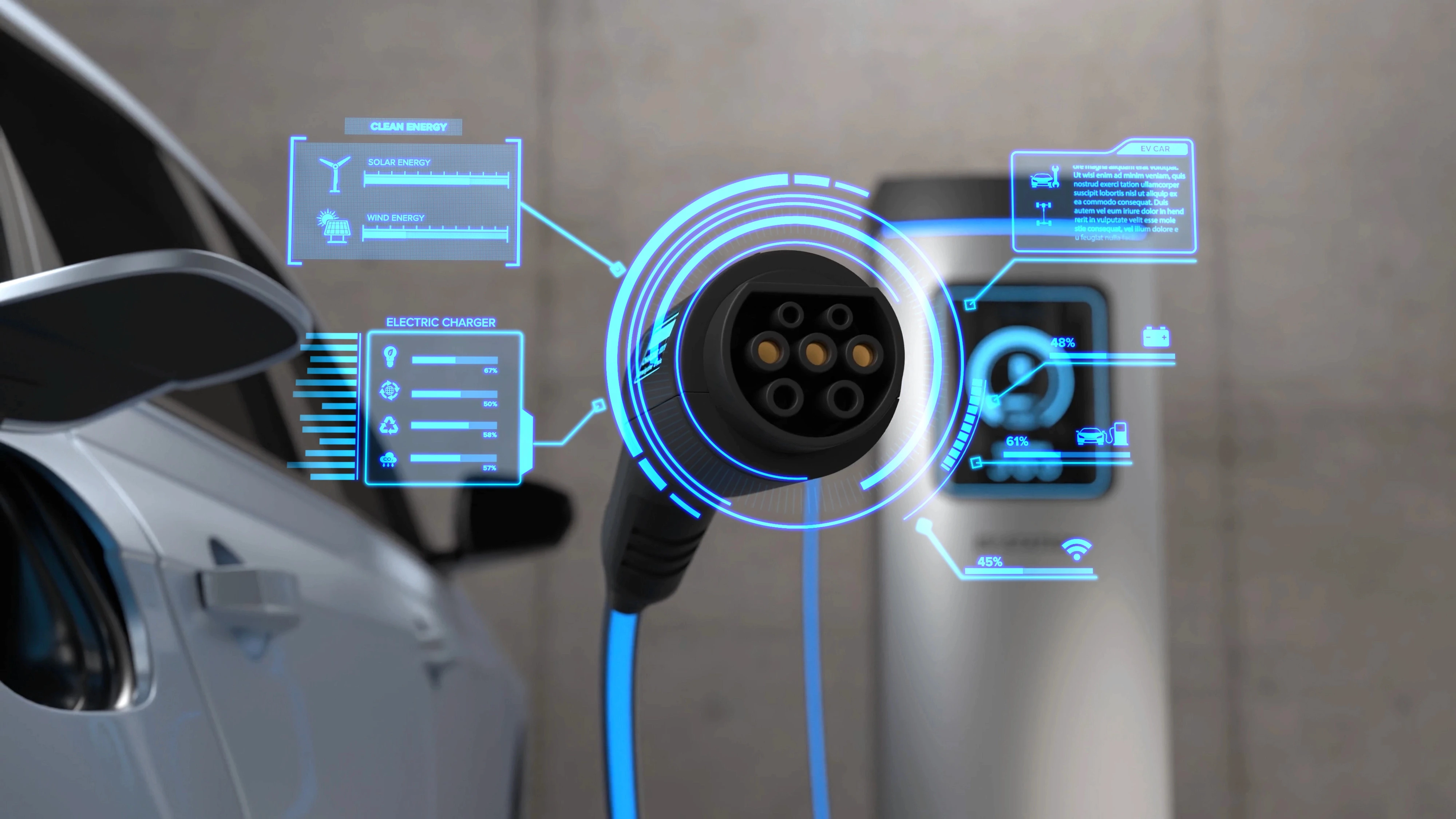
How long does it take to charge an electric car? How do you calculate it?
Multiple charging options, different time requirements
Electric cars can be charged in three main ways: from a traditional socket, with a home wall charger, or through public chargers. The simplest, yet longest of these is socket charging, where at a power of 1.8-2 kW, it can take 30-40 hours to fully charge a larger battery. This is only good as a temporary solution; it is no coincidence that it's called a trickle charger.
Home wall chargers, such as Voltie products, operate much faster. The Voltie AC charger can provide up to 22 kW of power, which ideally – if the car can accept that much energy – can charge a 60 kWh battery in about 3 hours. If the onboard charger of the vehicle is only 11 kW, then the charging time increases to 5-6 hours. If the car only supports single-phase charging at 7.4 kW, then it may take 8-9 hours. These devices are specifically optimized for car charging.
Charging time of electric cars and the kilometers traveled
Most electric vehicle users do not charge from 0% to 100% every time, and this is not recommended either, as it is not a very battery-friendly method. It is better to consider how many kilometers can be covered in one hour of charging. With the Voltie solution, approximately 35-40 kilometers of range can be gained per hour, which can also be checked in the application. Thus, it is easily achievable to reach the level needed for average daily commuting overnight.
The type of car is also crucial; a smaller city model, such as the Renault Zoe or Fiat 500e, can be charged faster than a larger, heavier SUV, such as a Hyundai Ioniq 5 or a Tesla Model Y. Moreover, it should also be considered how much power the respective vehicle’s onboard AC charger can handle – if it can accept up to 22 kW, then it will utilize the maximum output of the Voltie wall charger.
The application that helps you save time and energy
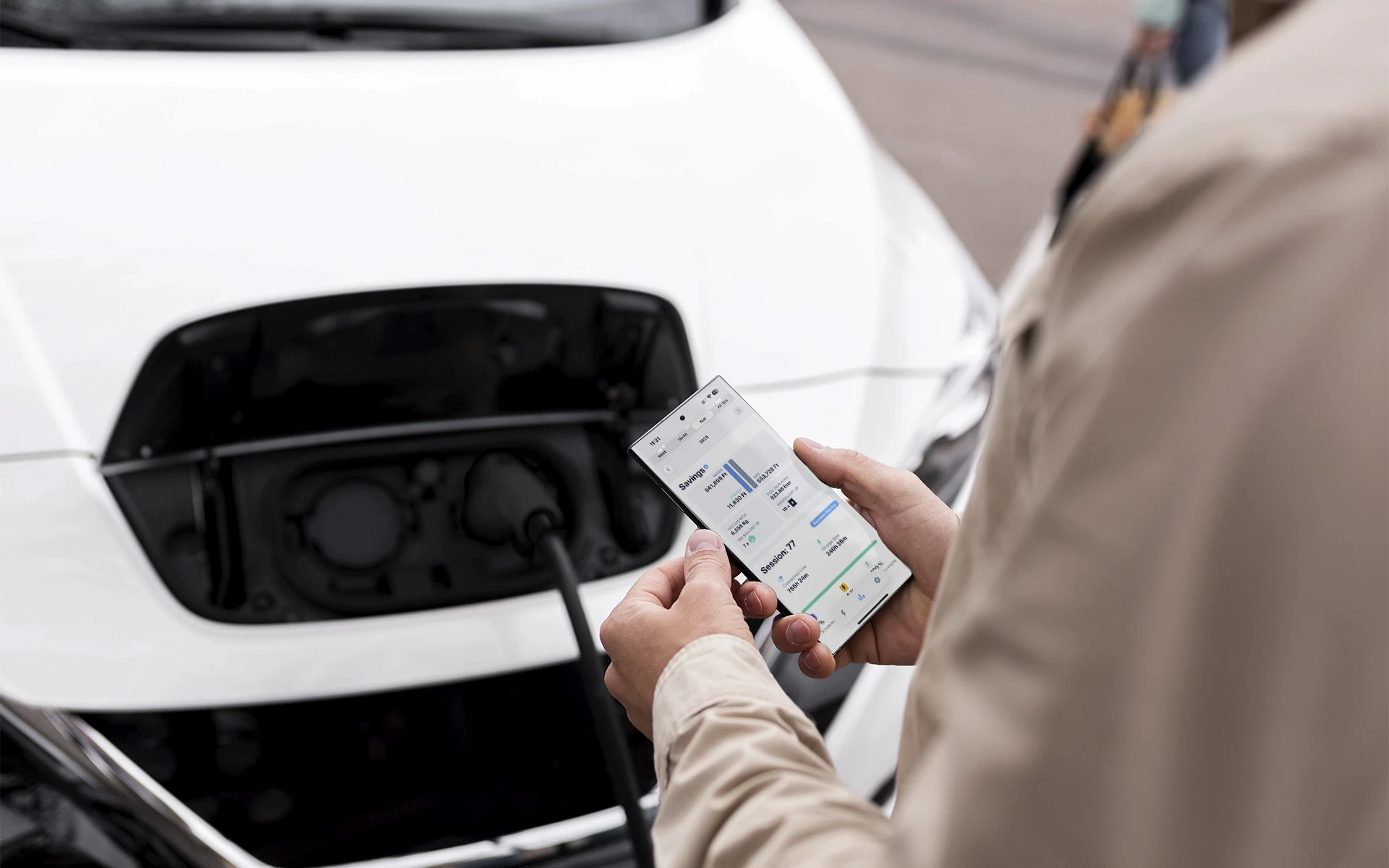
With the Voltie application, you can track charging even more precisely: you can see when and how much you have charged, how much time is left, and you can also set when the charging should start - for example, when electricity is cheaper or when your solar production is at its peak. This makes charging more convenient and much more predictable.
Charging time of electric cars: take control
If you know how long the charging takes, you can plan your days much more easily. It's also worth keeping in mind that in order to prolong the lifespan of the battery, it is not always advisable to aim for a full charge. Set it to charge up to 80-90% - this will help protect the battery cells. Such settings are also simple in the Voltie app, which is flexible, precise, and gives you control in your hands.
As you can see, the charging time of electric cars is a multi-faceted issue. It is not as simple as refueling traditional vehicles, where the whole process takes just a few minutes, but in return, you get a cheaper, more sustainable, and environmentally friendly form of transportation.
If you are interested in the world of electric cars and their charging solutions, then check out our website, gather information so you can embark on a greener journey with confidence!
👉 Take a look around: