


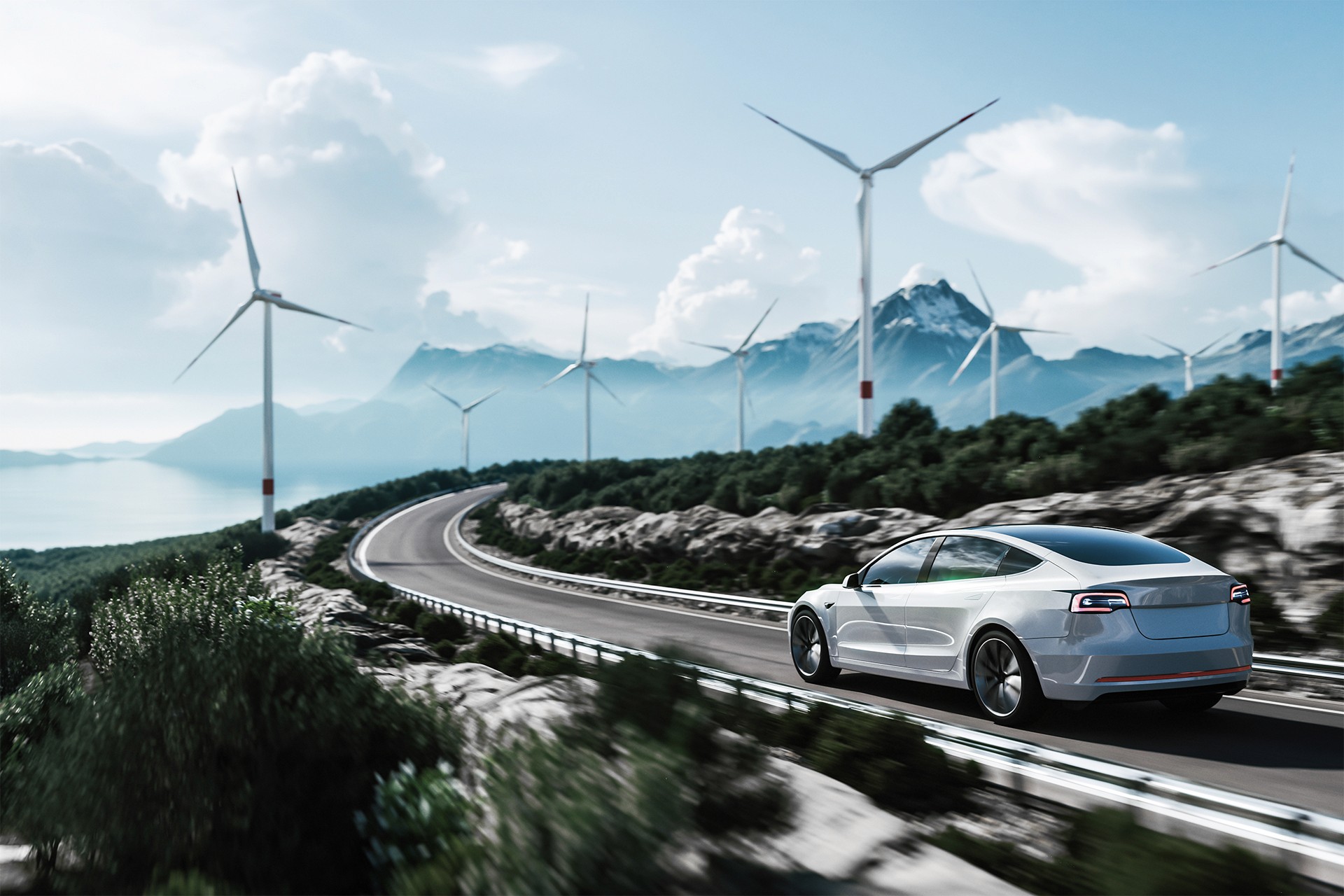
What would it mean for the world's electricity consumption if we only traveled with electric cars?
Although the probability is zero that starting tomorrow only electric cars will be running around the earth, this process will eventually occur after some time, and due to the continually increasing sales and usage, it is already worth discussing the impact of the exclusive use of electric cars. Especially since, thanks to the growing sales, they are having an increasingly significant impact on the world's electricity generation.
They would only increase electricity demand by 9%
A Bloomberg NEF analyst estimates that even one billion electric cars would only increase the world's electricity demand by 9%. If we also count electric trucks and electric buses, then the electricity demand would increase by 15%. It should be added that forecasts suggest that by 2040, about 730 million electric cars will be on the world's roads. Colin McKerracher, Bloomberg's chief analyst, believes this will be a completely manageable figure in terms of energy use, and that by 2050, the world's energy production will also cope with it, if everyone indeed drives an electric car, which would mean a 27% increase compared to today's electricity needs.
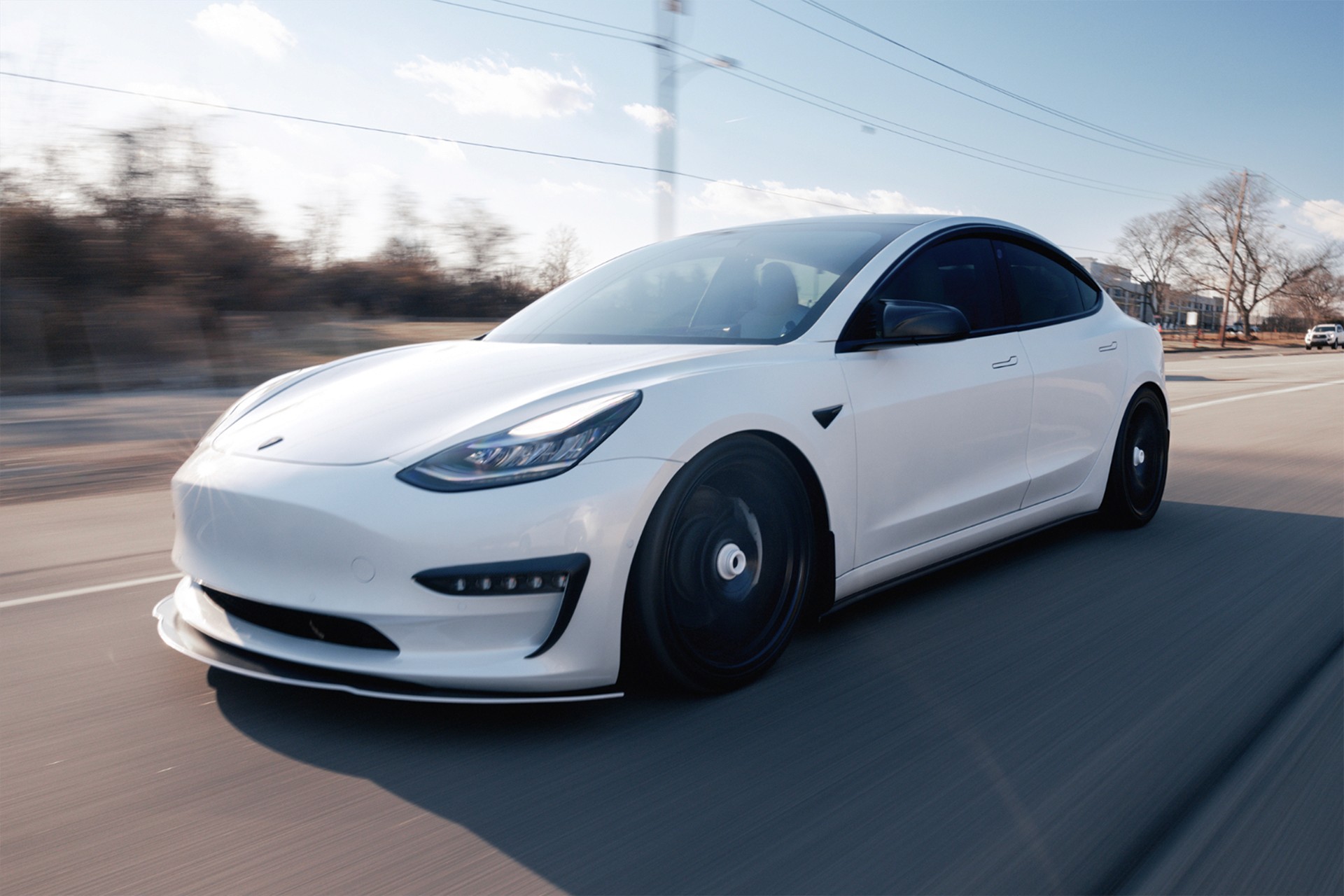
It is still far from everyone having an electric car
A nice goal is to replace all internal combustion engine cars in the world with electric ones over 20 or 30 years, but in reality, there are serious financial hindrances to this. According to MIT Technology Review, as long as lithium-ion batteries are used in electric cars, they can never be cheaper than the prices of their internal combustion engine counterparts. Moreover, according to MIT’s estimates, it will take at least another decade for the total lifecycle costs of cars to equalize between the two engine types. Even now, internal combustion engines are already being calculated with higher expected fuel and maintenance costs.
Lithium-ion batteries are responsible for a third of the costs
It will become increasingly difficult to further reduce the costs of lithium-ion batteries as these costs are slowly approaching the prices of the raw materials, leaving little room for price reductions. “In fact, we’re getting to the point where the cost of the manufactured batteries is lower than the total price of the raw materials,” said Randall Field, head of the MIT Mobility of the Future group. However, without cost reductions, car prices will not be competitive. To reach the dream target of $100/kWh for battery prices by 2030, which would generate competitiveness, it is necessary that the prices of the raw materials do not increase while the demand for lithium continues to rise.
According to the report, manufacturers will only be able to reduce the price to $124/kWh by 2030, but expectedly, this will make the total lifecycle costs of internal combustion engine vehicles equal by then. Of course, achieving equality greatly depends on the exact developments in fuel and raw material prices.
👉 Take a look around:
But there is already a good example in the world
In Norway, the ratio of newly registered electric vehicles is 80%, and one in five cars in the country is electric. All this has increased Norwegian energy consumption by 1.4 percent, although it should be noted that due to low temperatures and limited sunlight in Scandinavian countries, energy consumption is already high, so the spread of electric cars does not cause such a significant increase.
The electric car is already here, but is the charger still missing?
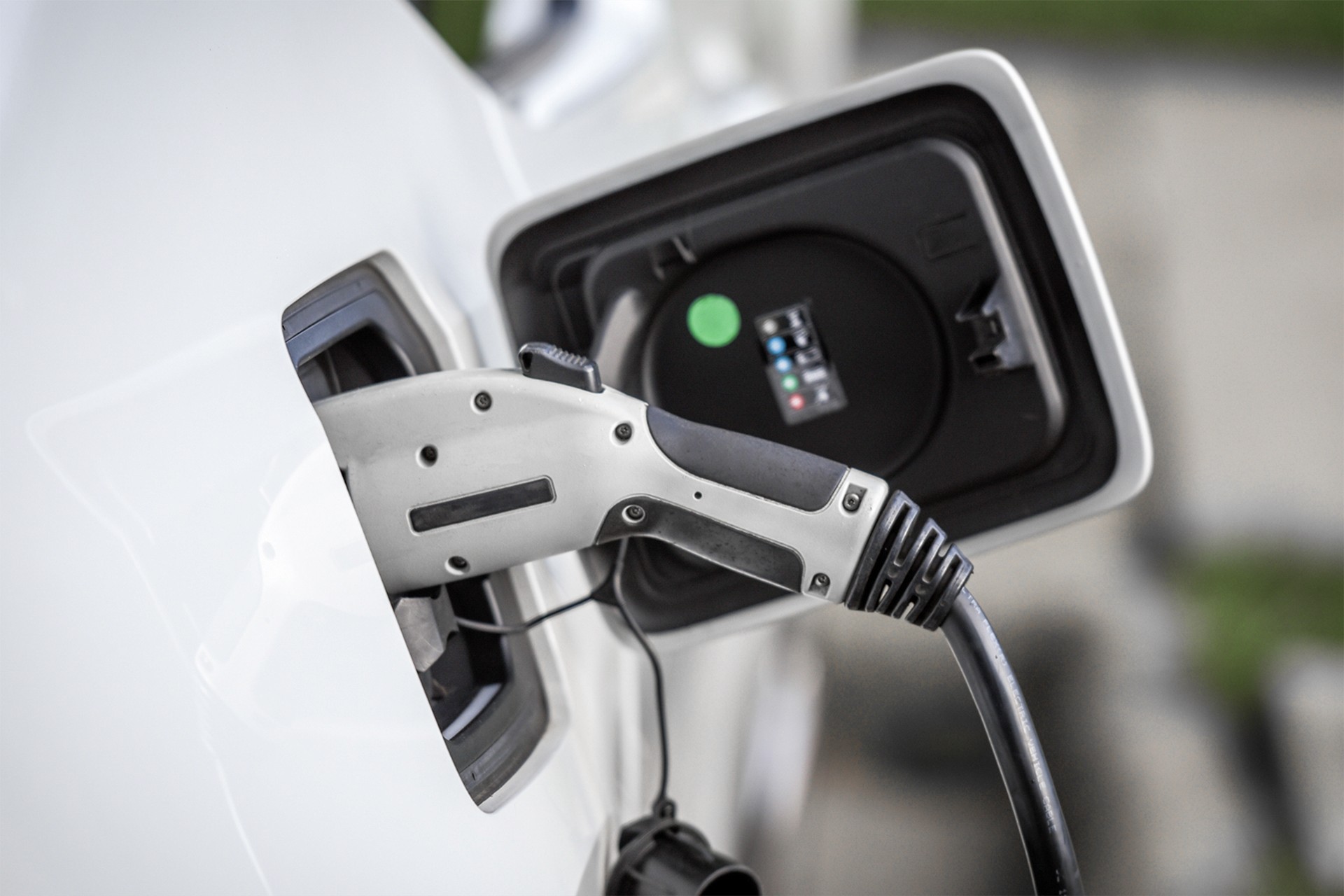
If you have already joined the community of electric car users but can only charge on the street and at other installed charging stations, it’s time to invest in a home charger. With Voltie chargers, your day will start with a smile and maximum charge.
One of the biggest advantages of a home charging station is convenience. You don’t have to visit public charging stations, which can often involve waiting in line and wasting time. At home, while we sleep or work, our cars can be comfortably charged, so they are always ready to use. Moreover, if we have solar panels or a night-time electricity tariff, we can significantly reduce charging costs as well.
Home charging allows us to use our own electric power source, which may even come from renewable energy sources. This way, we can reduce environmental impact and contribute to a more sustainable future...
Contact us with confidence, and we will help you choose the perfect electric car charger for you.
But there is already a good example in the world
In Norway, the ratio of newly registered electric vehicles is 80%, and one in five cars in the country is electric. All this has increased Norwegian energy consumption by 1.4 percent, although it should be noted that due to low temperatures and limited sunlight in Scandinavian countries, energy consumption is already high, so the spread of electric cars does not cause such a significant increase.
The electric car is already here, but is the charger still missing?
If you have already joined the community of electric car users but can only charge on the street and at other installed charging stations, it’s time to invest in a home charger. With Voltie chargers, your day will start with a smile and maximum charge.
One of the biggest advantages of a home charging station is convenience. You don’t have to visit public charging stations, which can often involve waiting in line and wasting time. At home, while we sleep or work, our cars can be comfortably charged, so they are always ready to use. Moreover, if we have solar panels or a night-time electricity tariff, we can significantly reduce charging costs as well.
Home charging allows us to use our own electric power source, which may even come from renewable energy sources. This way, we can reduce environmental impact and contribute to a more sustainable future...
Contact us with confidence, and we will help you choose the perfect electric car charger for you.