

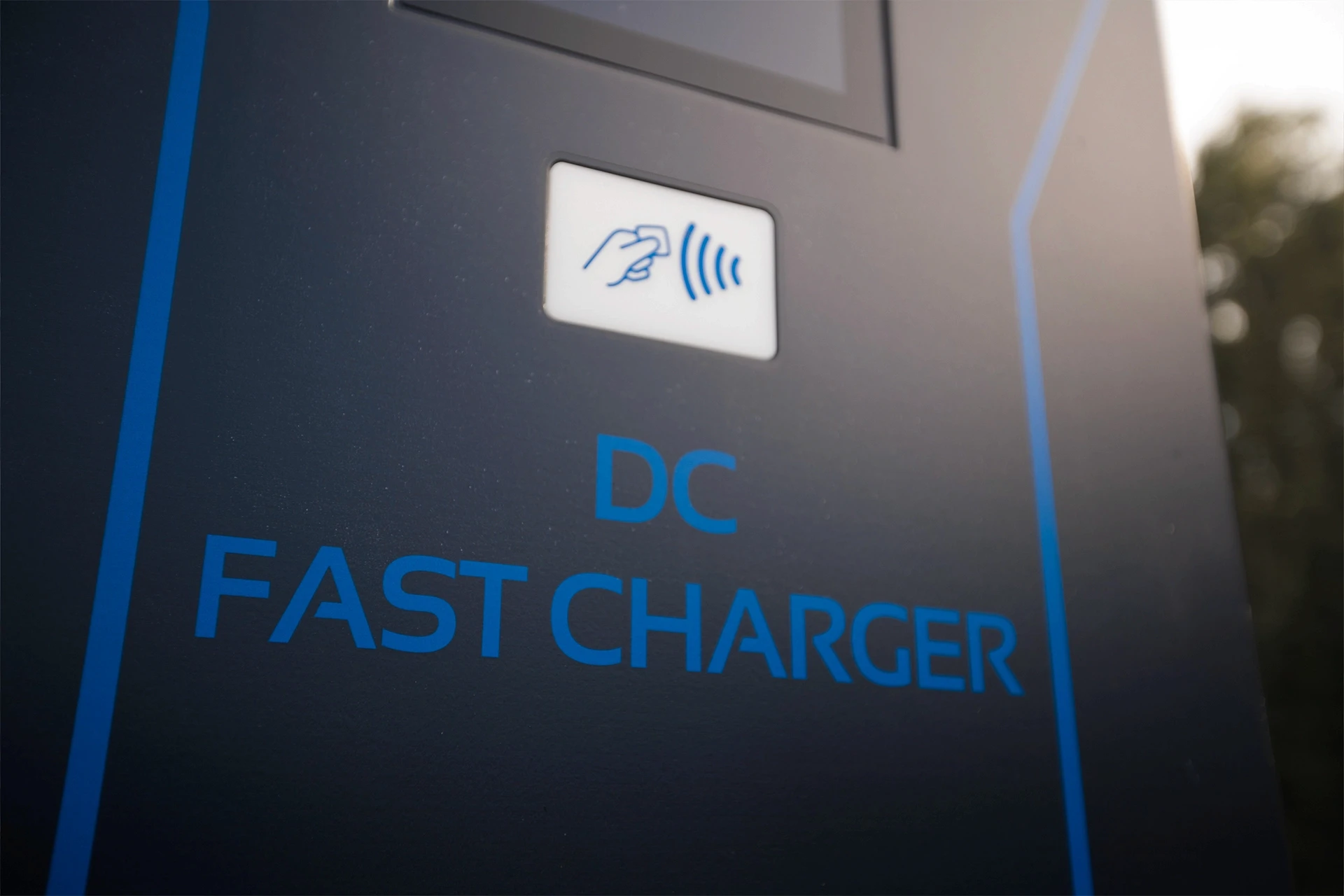
Fast charger for electric cars
Meanwhile, there are those who only use DC chargers instead of AC wall chargers. You can read a lot of useful information in our blog about how electric cars work, visit our site, and learn as much as you can about them! In today's article, we will talk about fast chargers.
AC Fast Chargers
In the case of AC (i.e., alternating current charging) fast chargers, the conversion of the current takes place within the car. The power of these fast chargers typically ranges from 7 kW to 22 kW in 1 and 3 phases, which allows us to charge our cars with smaller capacity batteries at home in less than an hour.
Home chargers all charge with alternating current, as the installation and operation of DC (i.e., direct current charging) chargers are extremely cumbersome and costly.
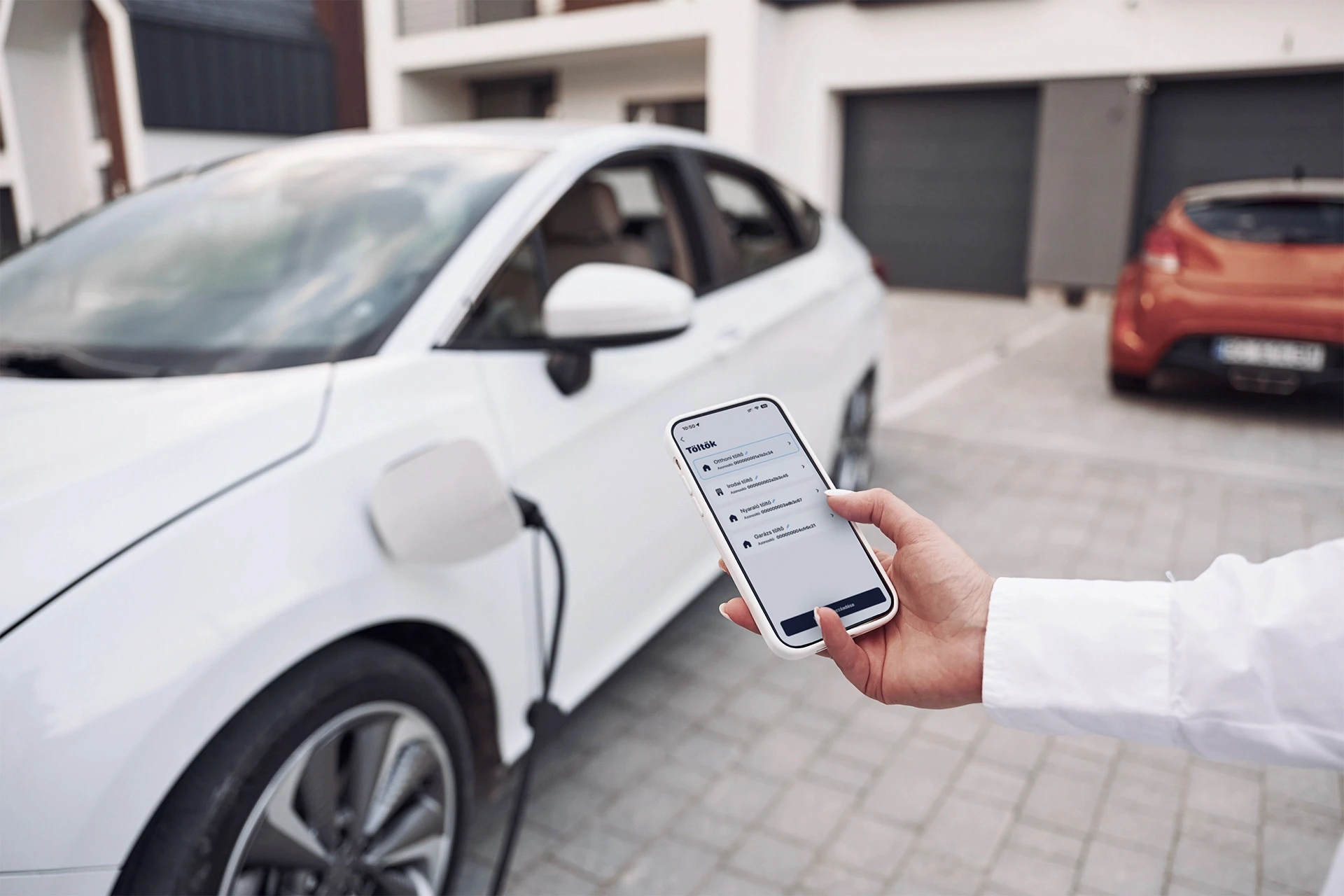
Today's modern and high-quality home wall chargers are extremely efficient and include many features that truly make their use easier and provide even more effective charging. With the Voltie app, the charger can be controlled and monitored, and it can also be integrated with the household solar panel system.
DC Fast Chargers
As mentioned above, DC fast chargers are not really suitable for home use. They are mostly found on the streets, in parking lots, or at dedicated fast charging stations. In order for someone to install this type of charger, almost the entire electrical network needs to be modernized. Additionally, the device itself is quite expensive, and its servicing and maintenance are also costly.
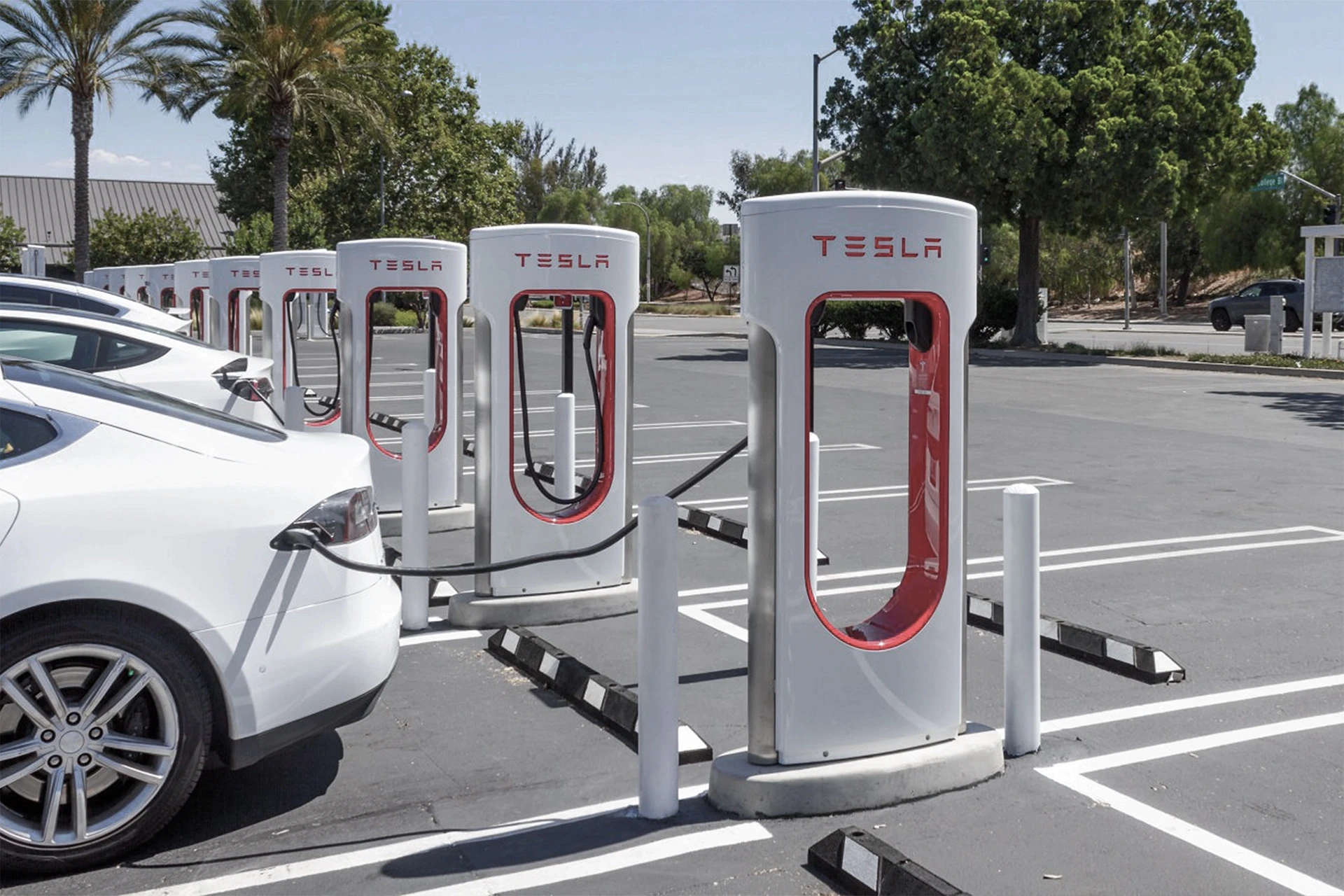
For this reason, we can find them, for example, at gas stations and rest areas along highways, where we can charge our electric vehicle in the shortest time possible. One of the most well-known DC charging stations is the Tesla Supercharger. However, it is currently mainly capable of charging Tesla cars, but increasingly we can use it for other electric cars as well.
In terms of operation, the DC chargers charge directly the electric vehicle's battery, rather than through the vehicle's onboard charger. This results in significantly faster energy transfer compared to AC fast chargers. Their power ranges from 50 kW to 350 kW. Charging above 300 kW is referred to as HPC (High-power charging), or
👉 Take a look around:
Is the DC fast charger really more harmful for electric cars?
Experts have concluded from experiments conducted in recent years that DC fast charging truly degrades the battery's condition to a greater extent compared to AC charging. However, the difference is virtually minimal.
We can see that while DC chargers charge the electric vehicle with more energy loss, the AC versions are more efficient. Although minimal, the use of DC fast chargers degrades the battery found in the vehicle more than AC chargers do. Moreover, DC chargers are not typically used and installed in home environments, as they are significantly more expensive in every respect.
If you are looking for a future-proof solution for home charging, choose our smiling face in a metal case, that is, our Voltie charger! With our unique software developments, we respond to every market demand, so you don't have to worry that if you switch your electric car, you will need a new charger. You can get up-to-date information about charging electric cars on our website, but if you have any questions, feel free to contact our colleagues using our contact details!
Is the DC fast charger really more harmful for electric cars?
Experts have concluded from experiments conducted in recent years that DC fast charging truly degrades the battery's condition to a greater extent compared to AC charging. However, the difference is virtually minimal.
We can see that while DC chargers charge the electric vehicle with more energy loss, the AC versions are more efficient. Although minimal, the use of DC fast chargers degrades the battery found in the vehicle more than AC chargers do. Moreover, DC chargers are not typically used and installed in home environments, as they are significantly more expensive in every respect.
If you are looking for a future-proof solution for home charging, choose our smiling face in a metal case, that is, our Voltie charger! With our unique software developments, we respond to every market demand, so you don't have to worry that if you switch your electric car, you will need a new charger. You can get up-to-date information about charging electric cars on our website, but if you have any questions, feel free to contact our colleagues using our contact details!