
How an electric car works: the drive of the future
An electric car's drivetrain has roughly twenty moving parts, while a conventional petrol car has several thousand. This simplicity is one of the greatest advantages of electric drive, and it says a lot about why the technology works so predictably.
On the Voltie blog we look at electric driving from a practical point of view. In this article we explain simply how an electric car works: what happens during charging, how energy becomes motion, and what makes an electric system truly efficient in everyday life.

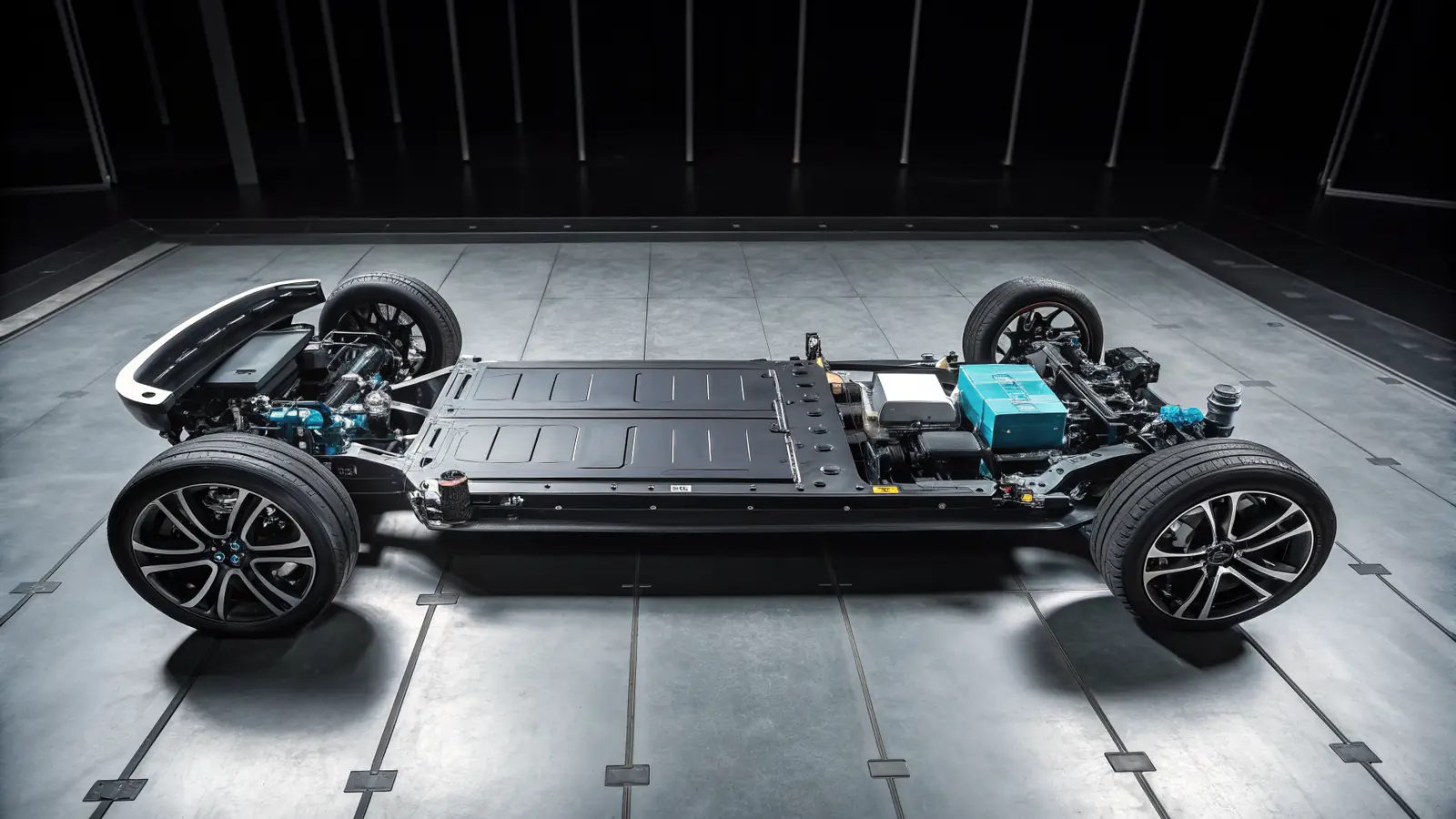
The heart of an electric car is the battery and the electric motor. The battery stores the energy you put into the car when charging, and the electric motor turns that energy into motion. There is no combustion and no fuel injection, so the system works far more directly and efficiently than a combustion engine.
When you press the accelerator, the electric system responds instantly, and the motor delivers the required torque almost without delay. There is no waiting for the revs to build and no gear changes, which is why an electric car accelerates so smoothly and dynamically from the very first metre.
Aspect | Electric car | Combustion engine car |
|---|---|---|
Energy | electricity stored in the battery | burning fuel |
Torque | almost without delay | revs building up, gear changes |
When slowing down | regenerative braking: feeds energy back into the battery | the energy turns into heat |
Maintenance | no oil changes, no exhaust system | oil changes, exhaust system |
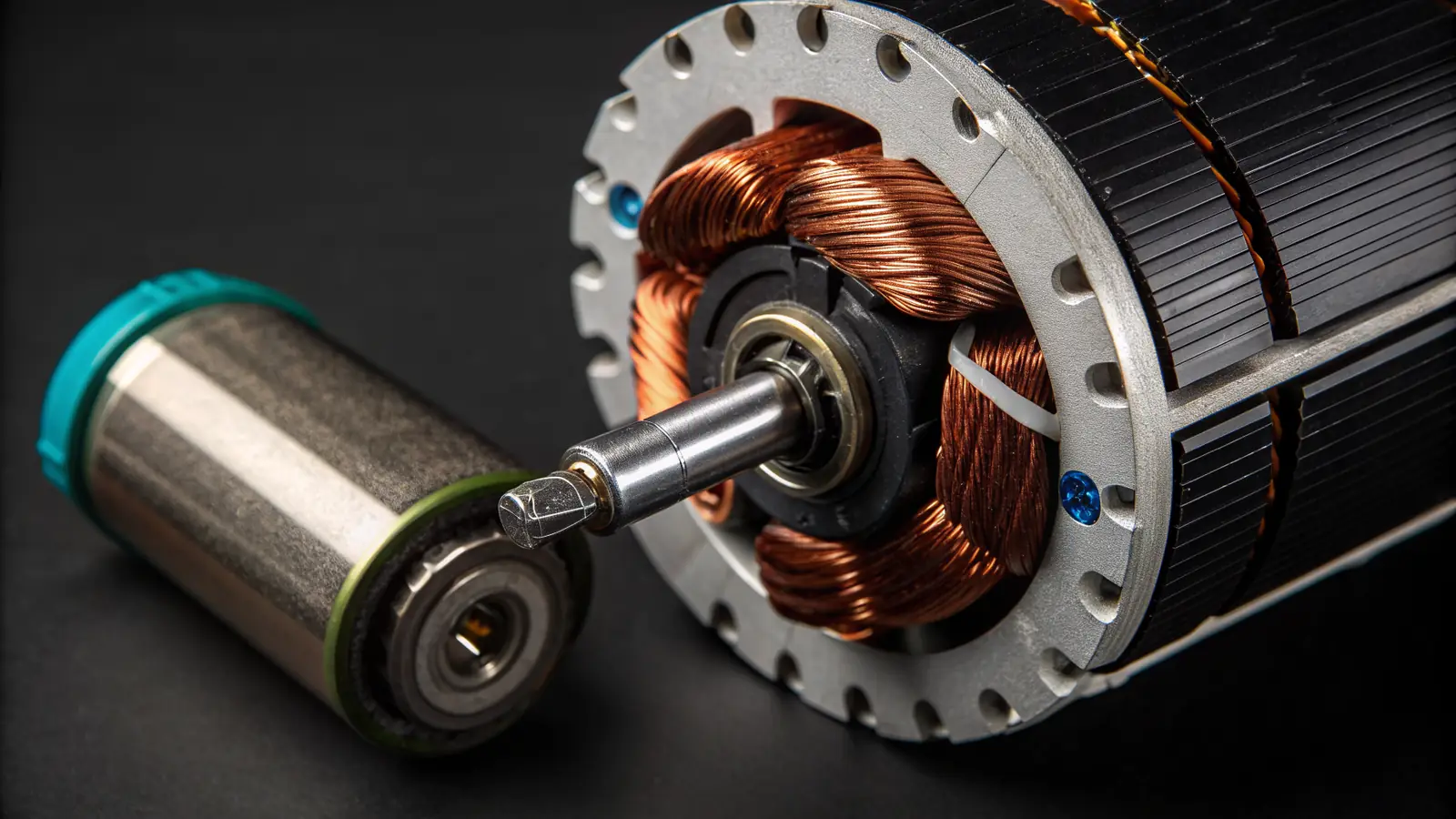
In practice this means that the path of the energy is easy to follow and control. During charging the battery fills up (a 60 kWh battery typically takes 3 to 5 hours on a 22 kW AC wall charger), then gradually releases the energy to the drivetrain while you drive.
One of the most important parts of the system is regenerative braking. When slowing down, the car does not simply turn the energy into heat but feeds it back into the battery. This is especially useful in city traffic, where frequent slowing and accelerating becomes partly recovered energy instead of a loss. You can find independent data on the real consumption and capacity of individual models on EV Database.
In an earlier article on the advantages of electric cars we showed in detail what this means in everyday life. The simplicity of the principle contributes directly to reliability and lower maintenance: no oil changes, no exhaust system, and a drivetrain that is easier to understand.
The way an electric car works is efficient in itself, but real-world performance depends a lot on how you use the system. A few principles matter most:
Anticipatory driving: a steady pace and avoiding sudden acceleration noticeably reduce energy use, especially on longer summer trips.
Smart charging: if you time your charging well and make use of the available infrastructure, your range becomes more predictable too.
The right setup: a well-designed charging system with intelligent control makes sure energy is always available when you need it.
So an electric car is based on a logically built system that is easy to understand.
Charging at home can be just as straightforward: Dynamic Load Management adjusts the charging power to the other consumers in your home, so the main fuse does not trip.
Frequently asked questions
Regenerative braking: when slowing down, the car does not turn part of the energy into heat but feeds it back into the battery. It is most useful in the city, where you slow down often.
Would you like a quote for your charger?


