
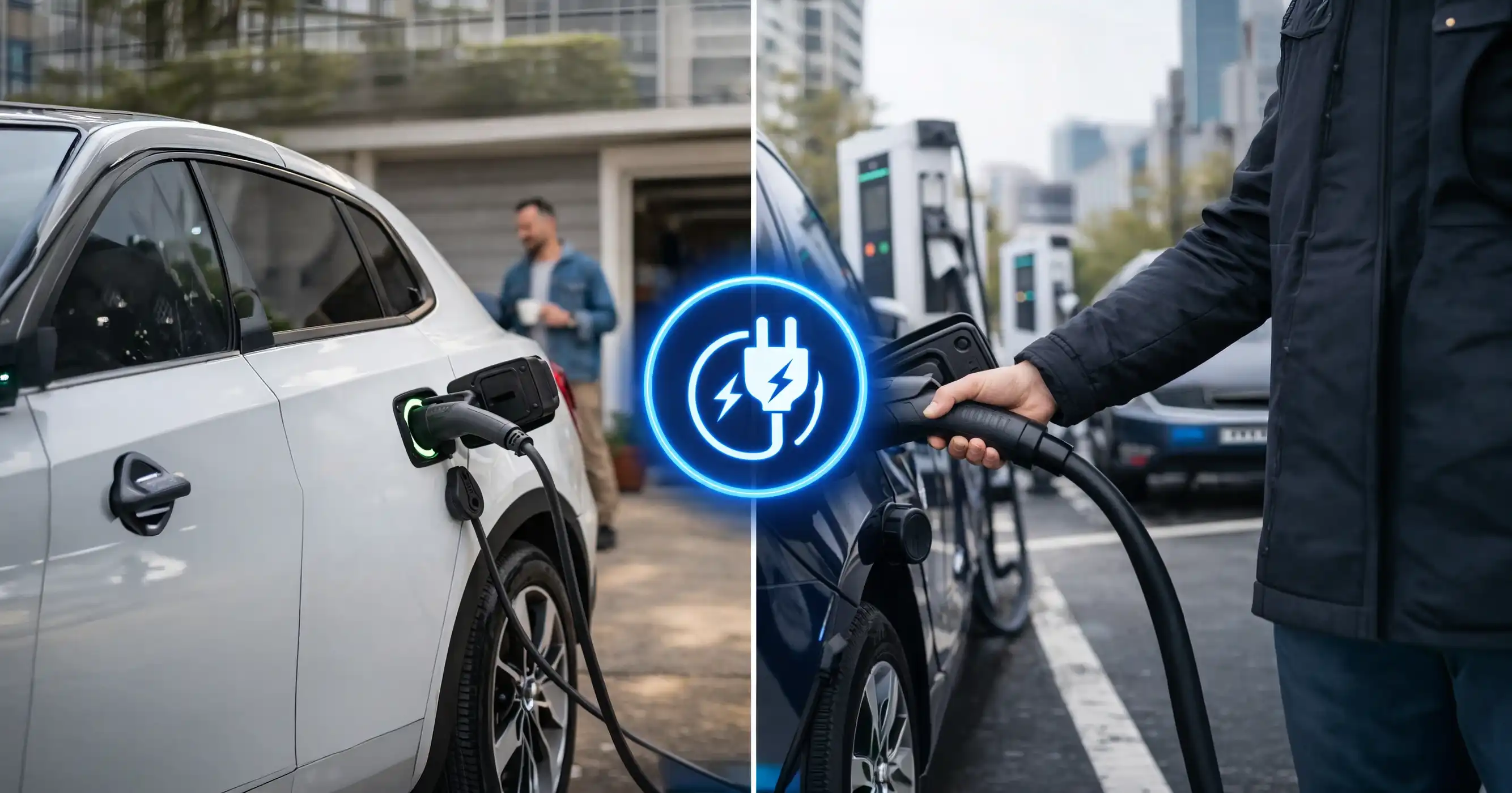
Electric car charging cost – at home vs. in public
Charging a 60 kWh electric car at home costs only 2,000–4,200 HUF – while the same at a public fast charger can cost as much as 13,000–15,000 HUF. This is an almost fourfold difference, and this is exactly what is worth knowing before you pay the bill at a public charger. The cost of charging an electric car is therefore not uniform – it depends on where and when you draw the energy.
On the Voltie blog, you can find detailed and easy-to-understand articles about home charging, charging types, and daily issues of electric transport. This post will help you get a clear picture of the prices – how much it costs in public places, and what you can expect to pay at home.
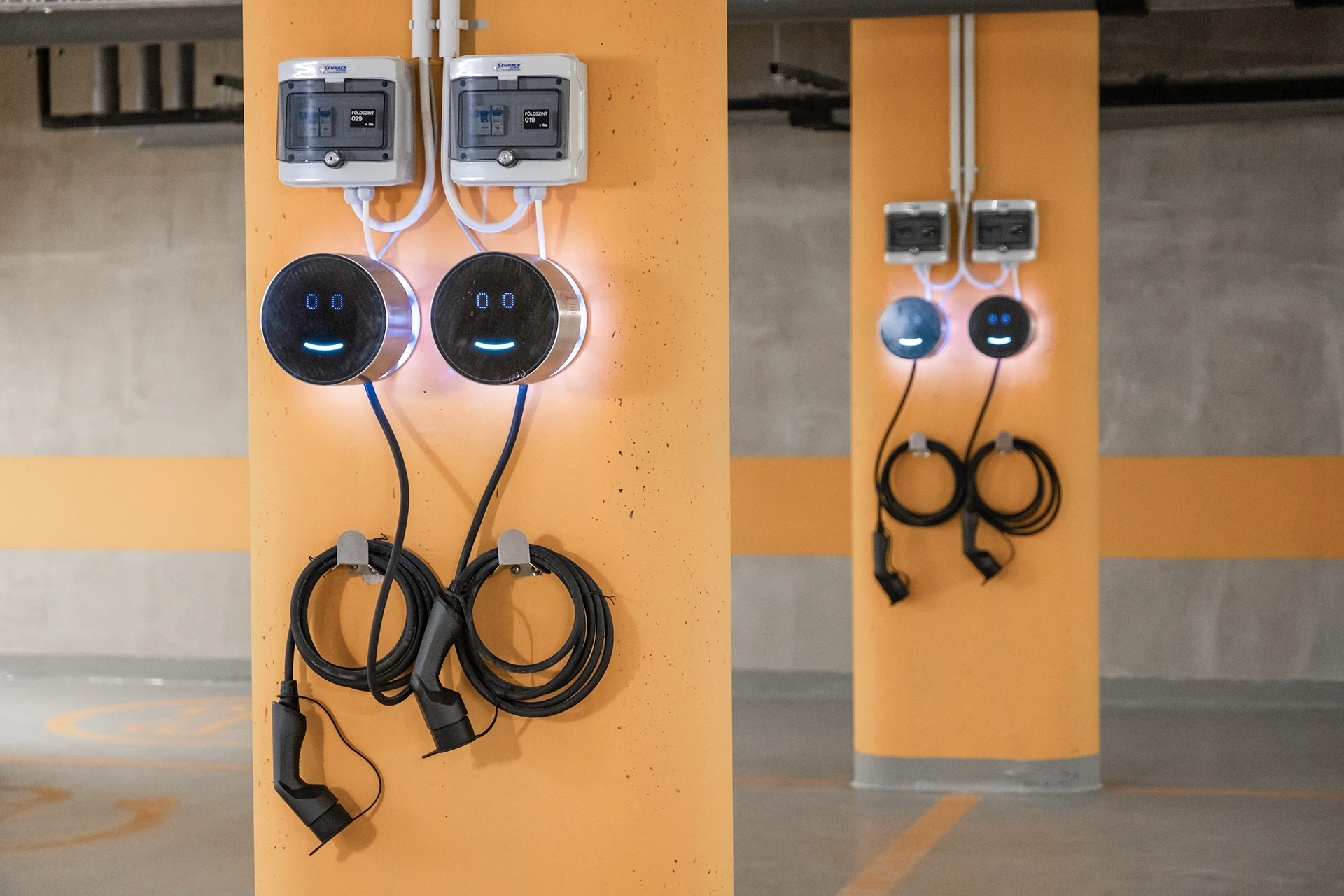
When using a public charging station, you typically pay more than at home. Prices depend on the provider, time of day and the type of charger. AC chargers are slower and cheaper: typically charging 109–139 HUF per kWh. DC chargers are faster, but their prices are also higher: ranging between 179–219 HUF, and for the fastest, high-power equipment, this can go even higher.
It is important to pay attention: you may also be charged a separate per-minute fee if your car has finished charging but you do not move it immediately. It is always wise to check the pricing of the given provider in advance. The Hungarian Energy and Public Utility Regulatory Authority (MEKH) monitors domestic energy market changes.
Fully charging a 60 kWh battery on a public AC charger can cost between 6,540 and 8,340 forints, while on a DC fast charger, it can go up to 10,740 to 13,140 forints. If you also factor in the per-minute fees, the costs can quickly add up. This is why it pays off to do your daily charging at home and use public chargers only when necessary.
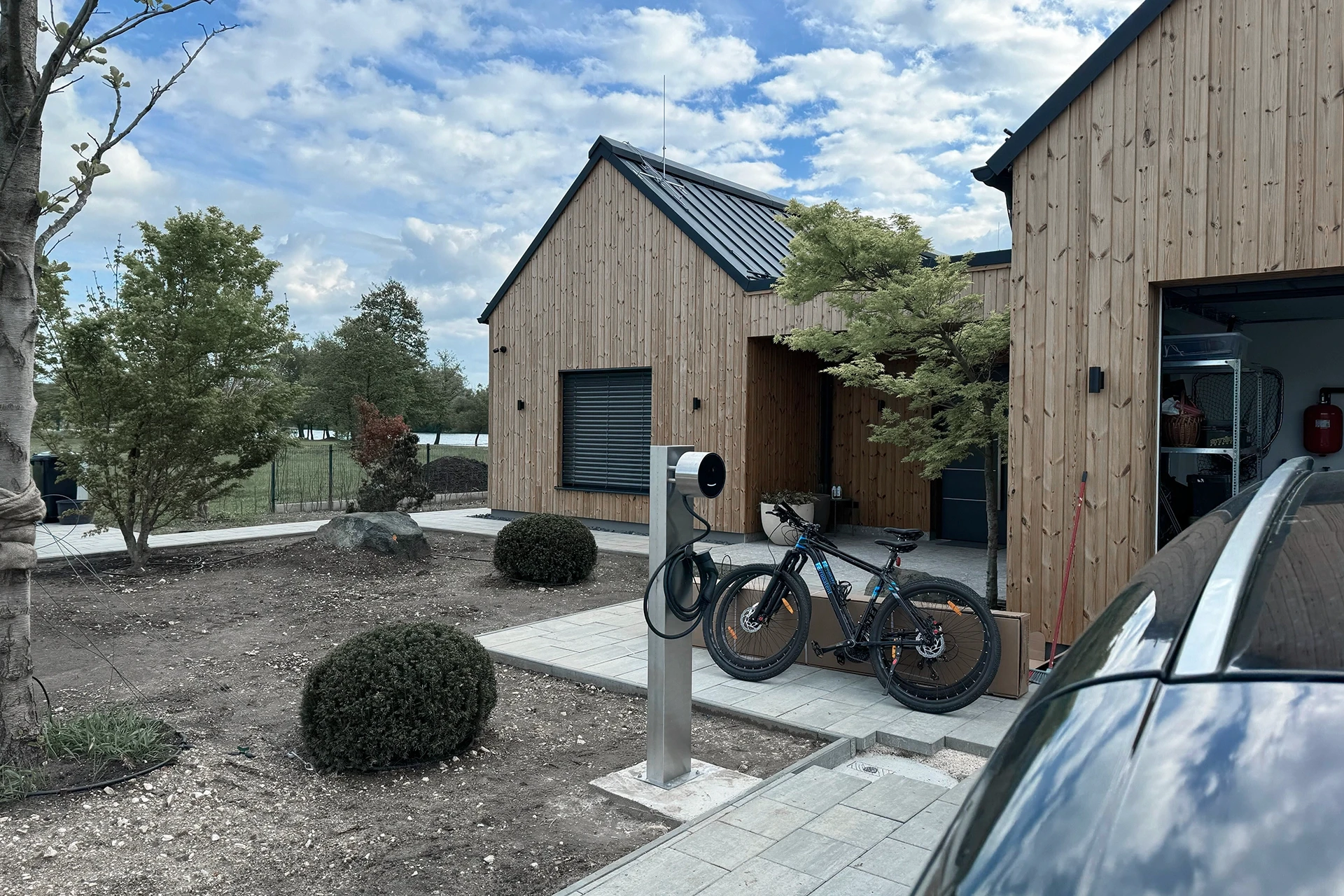
At home, the situation is much simpler: if you charge from your own network, the prices are based on the household tariff. Currently, the price of subsidized electricity is around 39 HUF/kWh, while on a market basis, it is around 70 HUF. A full charge for a 60 kWh battery costs roughly 2160–4200 HUF – which is much more friendly than the rates available at public stations.
How big is the difference, really?
If you only drive 15,000 km per year, your car's average consumption is about 20 kWh/100 km, so you use about 3,000 kWh of electricity per year. At home, this is 117,000–210,000 HUF/year, while on a public DC charger it can be up to 537,000–657,000 HUF/year. Charging at home therefore saves up to hundreds of thousands of HUF per year – a significant difference in the long run.
Charging location | Price (HUF/kWh) | Approx. 3,000 kWh per year (HUF) |
|---|---|---|
At home (regulated household electricity price or market price) | 39-70 | 117,000-210,000 |
Public AC charger | 109-139 | no data |
Public DC charger | 179-219 | 537,000-657,000 |
What is also great about the Voltie home electric car charger is that it makes charging costs more transparent. With the app, you can easily track when, how much, and at what price you charged. Detailed statistics show all charging sessions: energy used, cost, duration, and carbon dioxide savings as well.
Through the app, you can also select the charging mode: based on energy amount, time, or battery-saver preference. You can also compare data from previous months, so you know exactly how the cost of electric car charging has evolved over the past period. You can find this in more detail in the Voltie article about home charging.
Frequently asked questions
Some operators charge it if the car has finished charging but you do not move it straight away. Before you charge, it is worth checking the operator's pricing.
Would you like a quote for your charger?


